Menu
Back

Call This Saturday to Get $25 OFF
Call This Saturday to Get $25 OFF
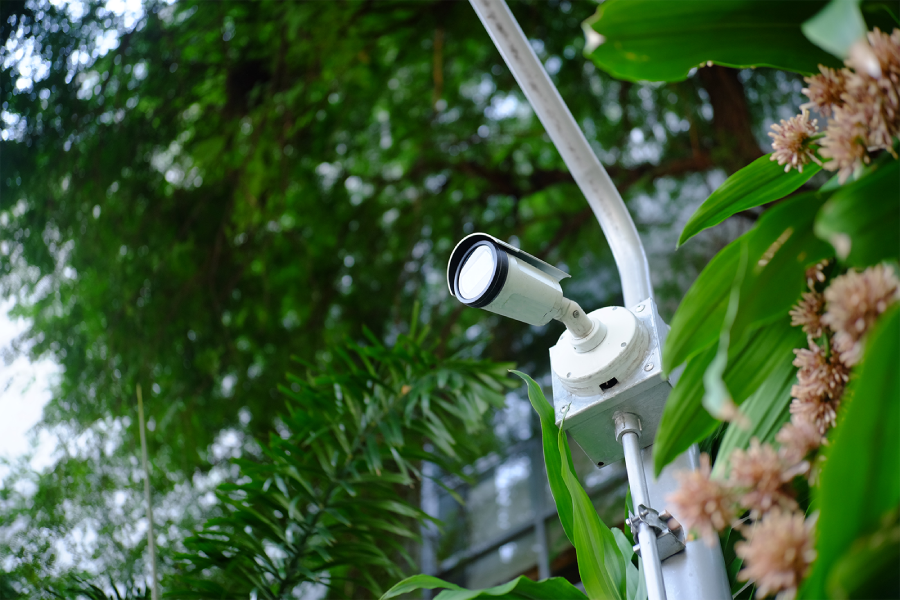
Most people understand why a restaurant needs different appliances than a home kitchen. Commercial gear works harder, lasts longer, and meets higher demands. Security cameras follow the same logic, but that fact often surprises people. At a glance, a camera is a camera. It records video. It sits on a wall or ceiling. How different could it be?
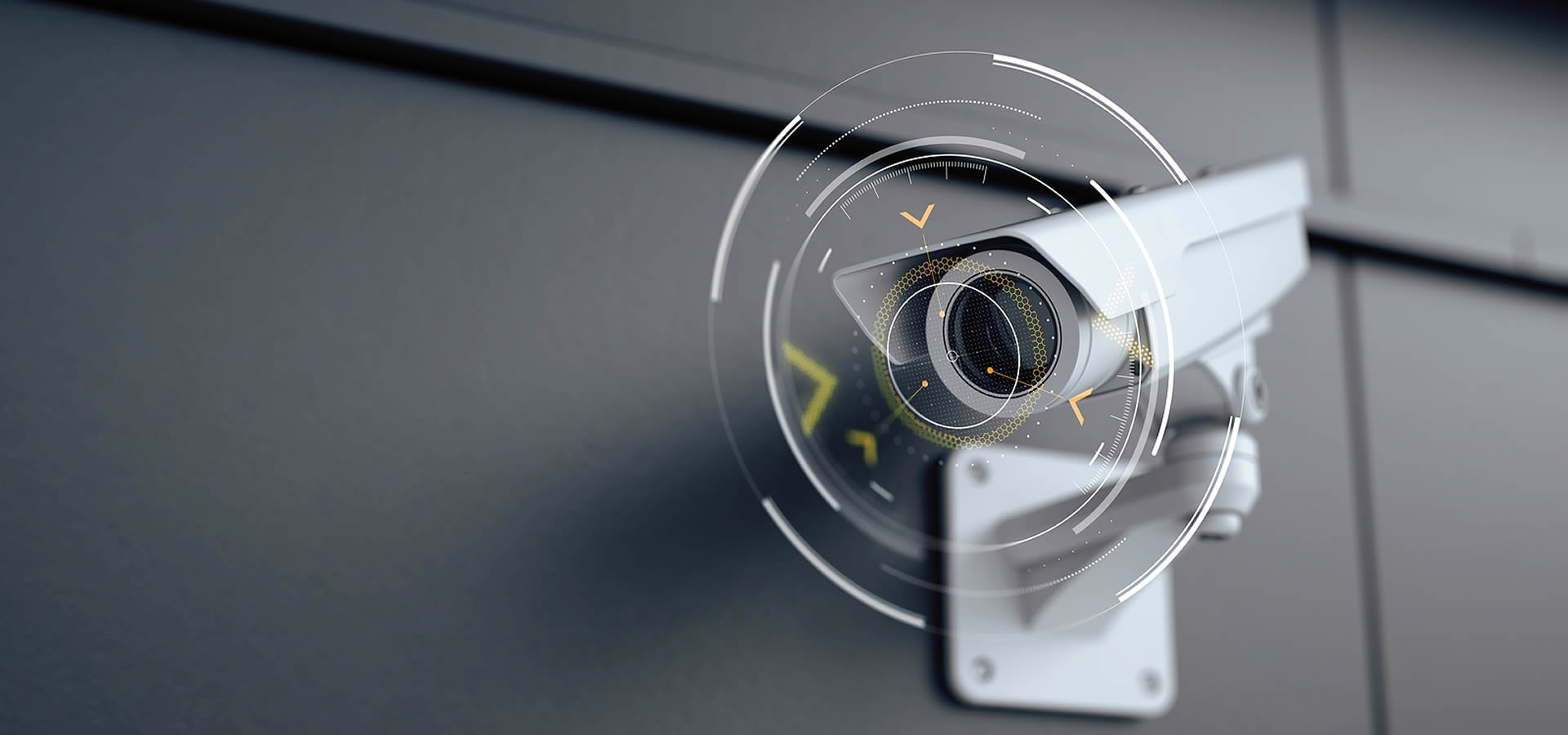
As it turns out, the difference between residential and commercial security cameras is significant. From image quality and durability to how footage gets used, there’s a lot of variety in what these systems offer. Understanding those differences helps business owners avoid underprotecting their property or overestimating what a home-grade system can really do.
In this brief article brought to you by ArcEye Defense, we give you a quick rundown on what to know about residential versus commercial cameras.
Residential cameras focus on convenience and peace of mind. Homeowners want to see who rang the doorbell, check on deliveries, or review footage after an incident. These systems prioritize ease of setup, mobile alerts, and basic coverage.
Commercial cameras serve a broader mission. Businesses use them to deter crime, monitor operations, protect employees, verify incidents, and reduce liability. These cameras must deliver consistent performance day and night, indoors and outdoors, and across large spaces. That difference in purpose drives every design decision.
Residential cameras often advertise high resolution, but that number alone does not tell the full story. Many home cameras struggle with low light, glare, fast motion, or long distances. Faces blur, license plates wash out, and important details disappear when you need them most. That’s typically not a deal-breaker for homeowners, though.
Commercial cameras prioritize usable footage. They feature better sensors, stronger low-light performance, wider dynamic range, and lenses designed for distance and coverage. This clarity matters when footage supports investigations, insurance claims, or legal disputes.
This level of performance usually requires professional planning and commercial security camera installation – not a weekend DIY setup.
Homes have limited square footage and predictable layouts. Businesses do not. A single commercial property may include parking lots, loading docks, hallways, entrances, restricted areas, and outdoor perimeters.
So, it’s no surprise that residential camera systems rarely scale well. Adding more cameras often strains bandwidth, storage, or power. Commercial systems, on the other hand, are designed for growth. They support dozens (or hundreds) of cameras across multiple buildings… all while maintaining stable performance. This scalability allows businesses to adapt to evolving needs.
Residential cameras usually operate in controlled environments. Even outdoor models assume modest exposure to weather and limited daily wear.
Commercial cameras, meanwhile, must endure far more. They face constant operation, vibration, dust, moisture, heat, cold, and even corrosive environments. Manufacturers build them with stronger housings, better seals, and higher operating tolerances.
That durability matters. Camera failure creates blind spots, and blind spots invite risk. Businesses need equipment designed for continuous duty, not intermittent use.
Perhaps the biggest difference lies in how cameras function within a broader security strategy.
Residential cameras usually react. They record events and notify homeowners after motion occurs. Commercial systems increasingly prevent incidents altogether. They integrate with monitoring platforms, access control, alarms, and virtual guard services.
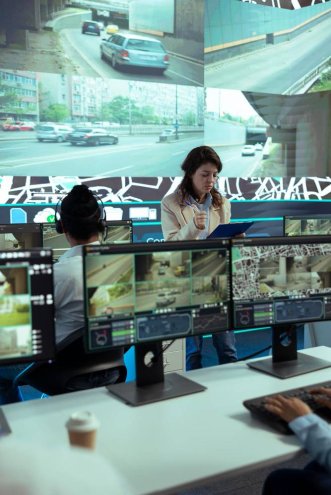
With proactive monitoring, trained professionals watch live feeds and respond in real time. They address trespassing, loitering, or unsafe behavior before damage occurs.
Even the best commercial camera fails if installed poorly. Angle, height, lighting, and network configuration all determine whether things works as intended. The pros at ArcEye Defense make sure cameras cover critical areas without blind spots, maintain stable connections, and comply with safety and privacy requirements.
Still have questions? Want to schedule a consultation or appointment? Call or message ArcEye Defense to get in touch with our office team today.
Not long ago, the mention of artificial intelligence brought up mental images of science fiction nightmares with robots running wild without…
Read MoreMost conversations about security cameras focus on footage: the evidence they capture after something goes wrong. And yes, that footage matters…
Read More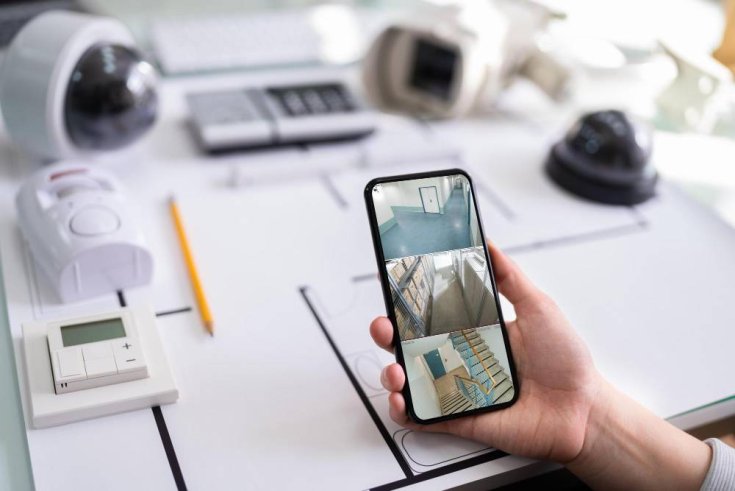
Picture this: a customer pulls into your parking lot, spots a broken car window in the next row, and drives straight…
Read MoreMost people interact with security cameras every day without giving much thought to what's actually happening behind the scenes. The camera…
Read More