Menu
Back

Call This Wednesday to Get $25 OFF
Call This Wednesday to Get $25 OFF
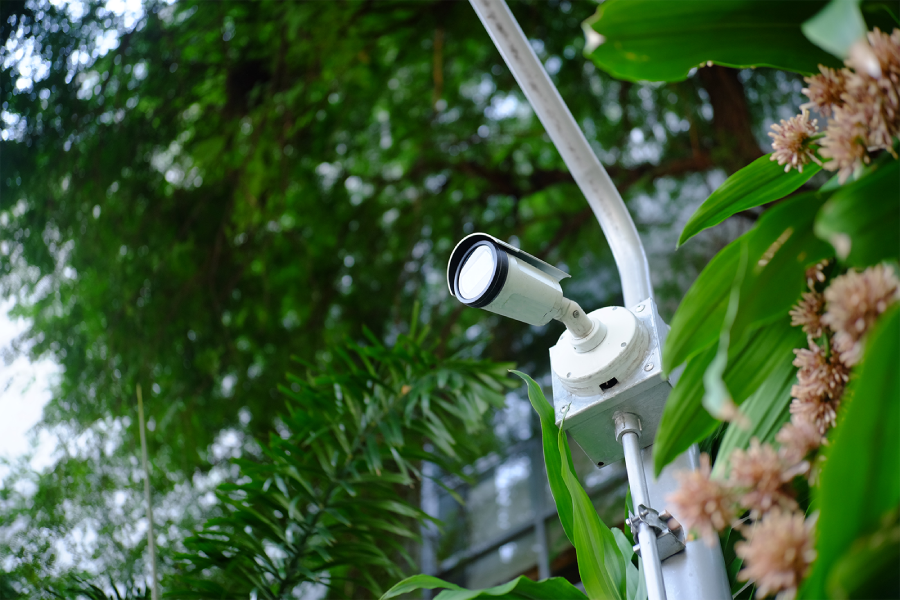
Businesses come in all shapes and sizes, and so do the properties they operate from. A small storefront has very different security needs than a warehouse, office complex, or manufacturing facility. Still, one thing remains true across the board: security cameras are a MUST!
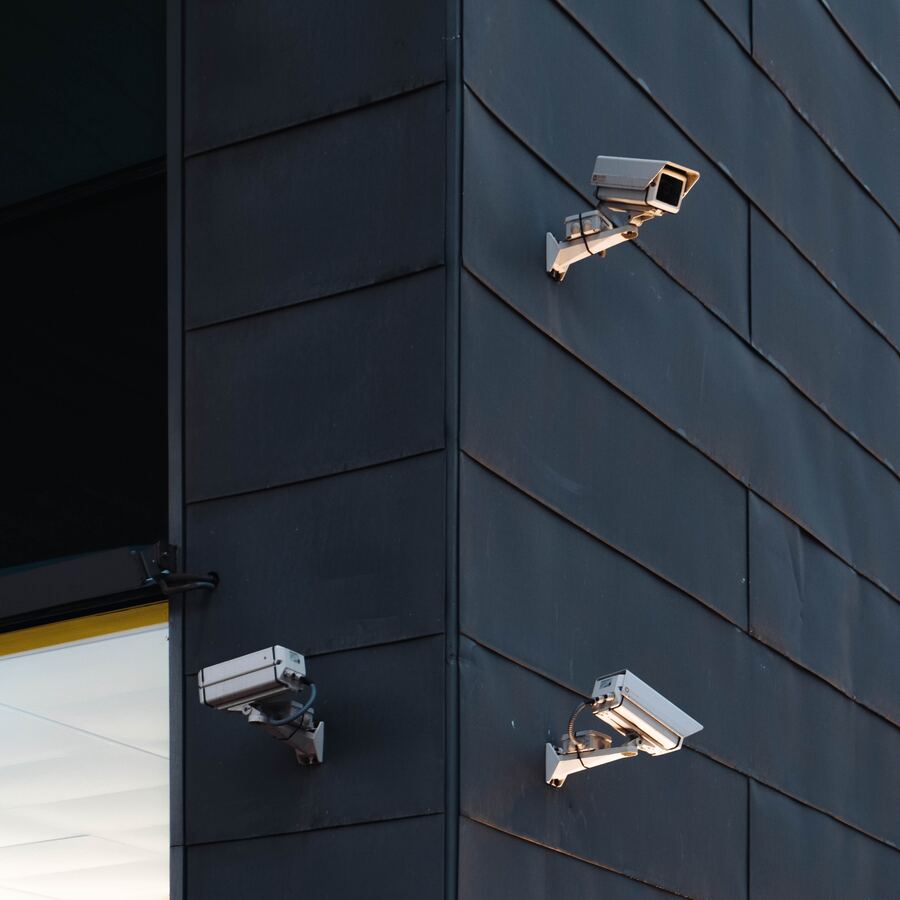
But every business owner faces the same question: where should I actually put these cameras? It seems straightforward until you start thinking about it. Do you focus on entrances? Cover the parking lot? Watch the cash register? How about up above? Or all of the above?
In this brief article brought to you by ArcEye Defense, we offer a practical rough guide to where security cameras for businesses are usually installed – and we highlight why professional planning makes all the difference.
Every security camera plan should begin with doors. Front entrances, back doors, side entrances, loading bays, and emergency exits are the most common points of unauthorized access… make sure to have them in sight.
Cameras positioned at doors should clearly capture faces – not just movement. That requires mounting them at the right height and angle to avoid glare, shadows, or obstructions. Poor placement can turn a critical moment into unusable footage.
For many businesses, proper coverage at entry points alone can eliminate a large percentage of security incidents. Don't forget emergency exits and rarely-used doors. Criminals specifically look for these overlooked access points.
Cover the entire parking area if possible, but especially focus on employee parking sections and areas furthest from your building (where criminals feel safer operating). Note that it’s key to capture license plates, and this requires specific placement and camera types designed for license plate recognition.
Outdoor storage, equipment yards, dumpster areas, or perimeter fencing need coverage too. Copper theft, equipment theft, and unauthorized dumping all happen in areas like these.
For larger properties, consider cameras that cover approach routes to your building. Criminals often scout properties multiple times before attempting break-ins. Capturing these surveillance attempts give you early warning and a record of suspicious activity.
It should go without saying that business security cameras ought to cover anywhere money changes hands or valuable inventory sits. Think cash registers, safes, stockrooms, server rooms, and areas where you store expensive equipment or merchandise.
For retail operations, position cameras to capture transactions from angles that show both the employee and customer clearly. This protects against both external theft and internal dishonesty.
Warehouses and storage facilities should focus cameras on inventory areas – particularly high-value items or products prone to theft. Also cover loading and receiving areas where goods enter and exit your facility. Shrinkage often occurs during these transitions.
This gets into sensitive territory, but work area monitoring serves important purposes beyond security. Cameras in production areas, workshops, and employee common spaces help document workplace incidents, verify safety compliance, and provide evidence if disputes arise about what happened during work hours.
Be thoughtful about placement in employee areas. You want coverage that serves legitimate business purposes. Focus on areas where work happens, not private spaces like restrooms or changing areas where cameras are both inappropriate and often illegal.
Camera placement is more than about mounting hardware. It involves understanding sightlines, lighting conditions, network limitations, and future scalability. Poor placement can mean constant false alarms, unusable footage, and costly rework.
The right camera placement protects your business, your employees, and your assets. It also saves money in the long run by avoiding blind spots, system upgrades, and missed incidents. So, hire a company with proven experience with commercial security camera installation.
At ArcEye Defense, we've designed security systems for every type of business across the country. Our mission is helping companies see clearly and stay secure, and that starts with proper camera placement.
In addition to camera installations, we also offer security assessment, video management, and virtual guard services. Explore our website or call or message us today to learn more.

Running a business means keeping a lot of things safe at once (your property, your employees, your inventory, and your customers).…
Read MoreOpening a new business location is exciting, but it’s also a lot of work. You have to set up operations, hire…
Read More
Cameras are the backbone of modern property security. But even the most advanced camera on the market can't protect your business…
Read MoreMost people have a basic idea of what virtual guarding means: Cameras are installed, someone watches them remotely, and if something…
Read More