Menu
Back

Call This Tuesday to Get $25 OFF
Call This Tuesday to Get $25 OFF
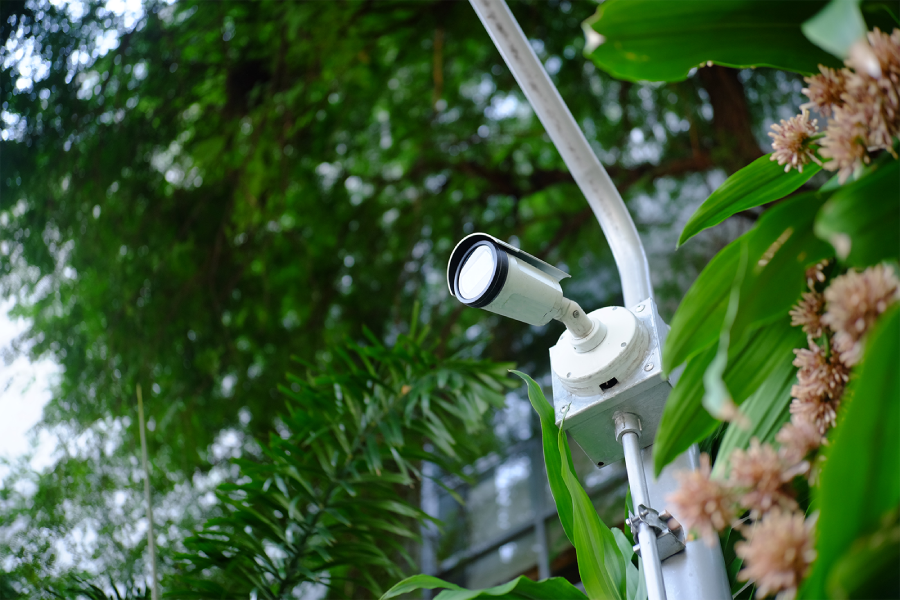
When you're shopping for security cameras for your business, you'll quickly run into two main types to choose from: IP cameras and analog cameras. The difference between them matters more than you might think, and we’re here to help.
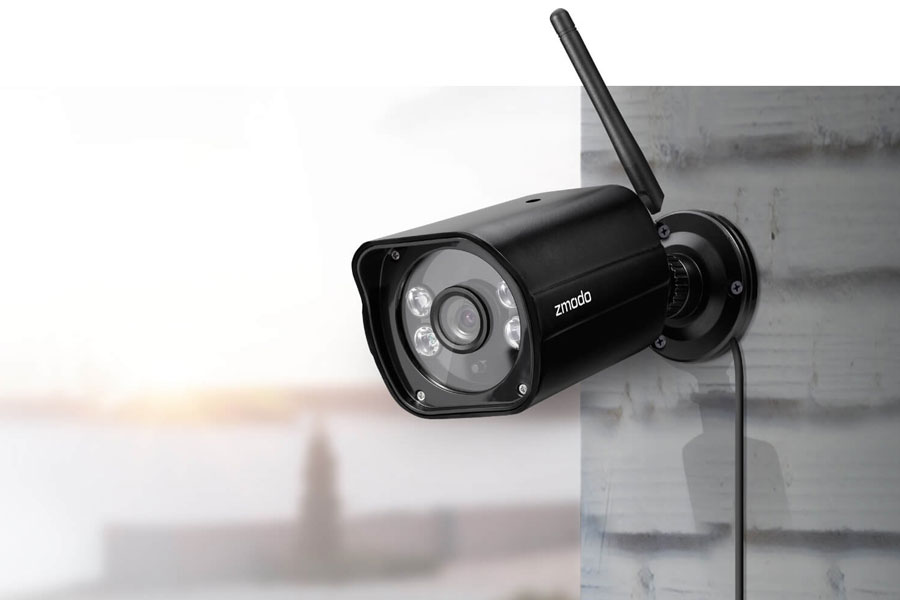
In this brief article brought to you by ArcEye Defense, we break down what each one does, how they're different, and which makes more sense for commercial use. Whichever you choose, the pros at ArcEye Defense are proud to offer professional commercial security camera installation services.
Analog cameras have been around for decades; these are the traditional security cameras you've probably seen in older buildings and parking lots. These cameras capture video and send it through cables to a DVR (digital video recorder) that stores the footage. The footage is stored locally and reviewed later if something happens.
For small setups, analog systems can be simple and affordable. They are often used in very small buildings with limited coverage needs. If you're on a tight budget, analog systems can be attractive because the cameras themselves cost less than IP cameras.
But there are serious downsides. Mainly, analog cameras produce lower-quality video. The footage is often grainy or blurry, and this means you might not be able to identify faces or read license plates. Yikes… what’s the point, right?
Analog systems also require separate cables for power and video transmission. That means more wiring, more installation work, and more places where things can go wrong. Also, expanding the system usually requires new wiring and hardware.
IP cameras, or internet protocol cameras, are network-based systems which send video over a network instead of a single recorder. They capture high-definition video and send it over your existing network cables or WiFi.
The quality difference is worth stressing. IP cameras can record in full HD or even 4K resolution. That means crystal-clear footage where you can actually see faces, read license plates, and identify details.
IP cameras are also smarter. Many have built-in motion detection, night vision, and even analytics that can tell the difference between a person and a passing car. This intel reduces false alarms and lets you focus on actual threats.
Every business has their own unique circumstances, needs, budget, and preferences. With that said, there are a few criteria that helps you make the decision. Whether you’re running a boutique or managing a warehouse, consider:
Frankly, IP cameras are the better choice for most commercial properties. They offer higher quality video, better coverage, easier expansion, and compatibility with modern security services.
Analog cameras may still work for very small or temporary setups, but they are not ideal for businesses that want strong future-ready protection.
The best camera system is only as good as the team that designs and installs it. ArcEye Defense is proud to specialize in professional camera solutions built for commercial environments.
We help businesses choose the right technology, install it correctly, and support it with reliable virtual security monitoring. Call or message ArcEye to learn more about our property security solutions.
Most people interact with security cameras every day without giving much thought to what's actually happening behind the scenes. The camera…
Read MoreMarketing language often includes words like “immediately” and “as soon as possible,” but let's talk about what rapid response in remote…
Read More
Artificial intelligence has stopped being a buzzword and started being a legitimate business tool. Across industries, AI is helping businesses work…
Read MoreEvery product on your shelves, every piece of equipment in your warehouse, and every item staged at your loading dock represents…
Read More