Menu
Back

Call This Friday to Get $25 OFF
Call This Friday to Get $25 OFF
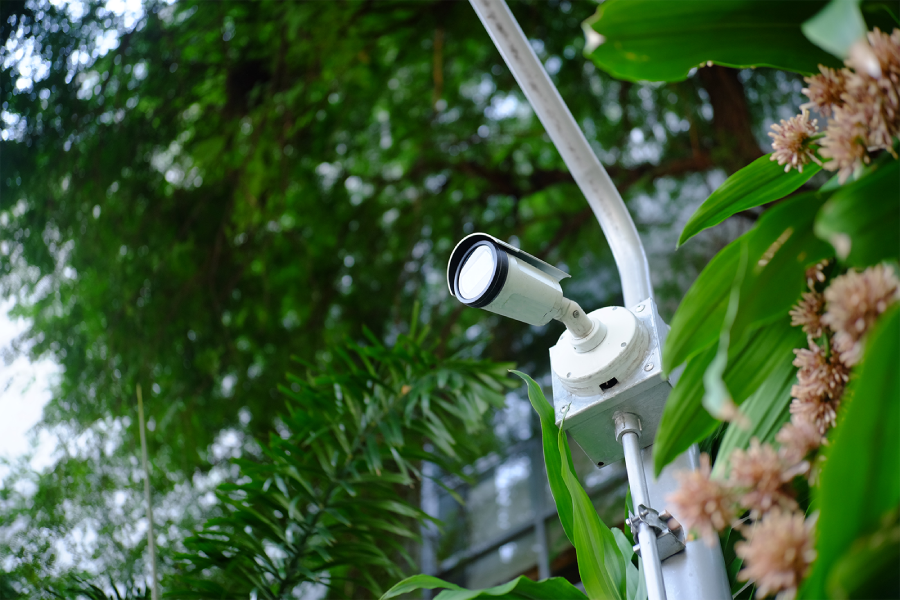
Security cameras are a standard part of protecting commercial properties. Businesses, from retail stores and warehouses to office complexes and construction sites, all rely on surveillance systems to deter crime and document activity… but when it comes time to install or upgrade a system, many owners run into the same question:
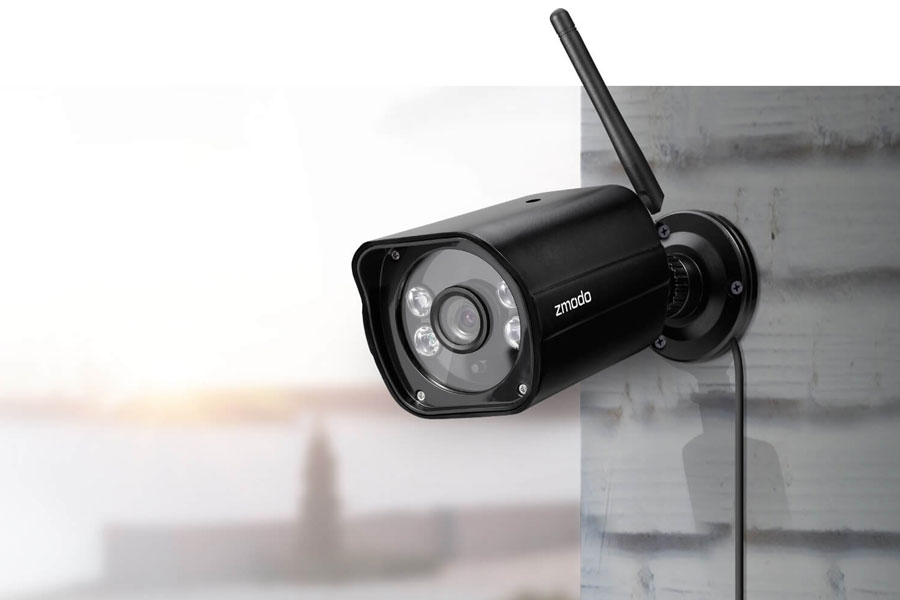
For years, wired systems dominated the industry. They were considered the professional standard and were often the only option available. Today, wireless technology has expanded the possibilities. Cameras can now transmit video over Wi-Fi or other wireless networks, thereby reducing the need for extensive cabling.
Still, newer technology does not automatically mean better. At the same time, “tried and true” does not always mean the best solution. The right choice depends on your property, your network infrastructure, and how you plan to manage security moving forward.
We break it down in this brief article brought to you by the pros at ArcEye Defense. If you’re looking for time-tested and uniformed business security camera installer, then consider the reputable team at ArcEye Defense.
Wired cameras connect directly to a recording device or network through physical cables. These are often Ethernet cables in modern IP-based systems. Because the signal travels through a dedicated line, wired cameras are renowned for their reliability.
A wired system is less likely to experience interference or signal drops. That stability is especially important for businesses such as warehouses, manufacturing facilities, or medical offices that need continuous video coverage.
Another advantage is bandwidth. Wired networks can support higher data speeds, and that allows cameras to transmit high-resolution footage without compressing or degrading the image. This matters when you need clear ID of faces, license plates, or other details.
With that said, wired systems do come with trade-offs. Installation can be more complex, and running cables through walls, ceilings, or across large outdoor areas requires planning and labor. For existing buildings, the installation process may involve drilling, placing conduit, and careful cable management.
This is why working with an experienced business security camera installer is so important. The pros at ArcEye Defense make sure that cables are protected, equipment is accessible for maintenance, and coverage areas are optimized from the start.
Wireless cameras transmit video over Wi-Fi networks, without cables running between cameras and recording/monitoring systems. This architectural difference creates opportunities that wired systems simply cannot accommodate.
For one, this can make installation faster and less invasive. In locations where running cables would be difficult or disruptive, wireless cameras provide a convenient alternative. Temporary setups (such as construction sites or event venues) benefit from this convenience.
Wireless systems are also easier to scale. If your business grows or you want to monitor additional areas, adding a new camera can be as simple as mounting it and connecting it to the network.
Of course, wireless systems come with their limitations, too. Because they depend on network signals, they can be affected by interference, bandwidth constraints, or connectivity issues. Thick walls, metal structures, or large distances between devices may weaken the signal.
The wired versus wireless debate does not have a single universal answer. Every building presents different challenges, and every business has different priorities.
What matters most is designing a system that provides consistent coverage, reliable performance, and room to grow. That process begins with a thoughtful evaluation of your property and your security goals.
The team at ArcEye Defense specializes in camera installations as well as remote security monitoring. We can assess your building layout, recommend the right mix of technology, and ensure that every camera is positioned for maximum effectiveness.
Whether you need cameras installed, want to integrate remote security monitoring to an existing system, or all of the above, the team at ArcEye Defense is here to help. Contact us today to get started with a consultation.
Stores were estimated to lose almost $50 billion to retail theft in 2025 alone, and the damage doesn't stop at stolen…
Read MoreRunning a business means keeping a lot of things safe at once (your property, your employees, your inventory, and your customers).…
Read More
Many people are warming up to the concept of artificial intelligence, and some are still hesitant, but one thing is for…
Read MoreCameras are the backbone of modern property security. But even the most advanced camera on the market can't protect your business…
Read More