Menu
Back

Call This Wednesday to Get $25 OFF
Call This Wednesday to Get $25 OFF
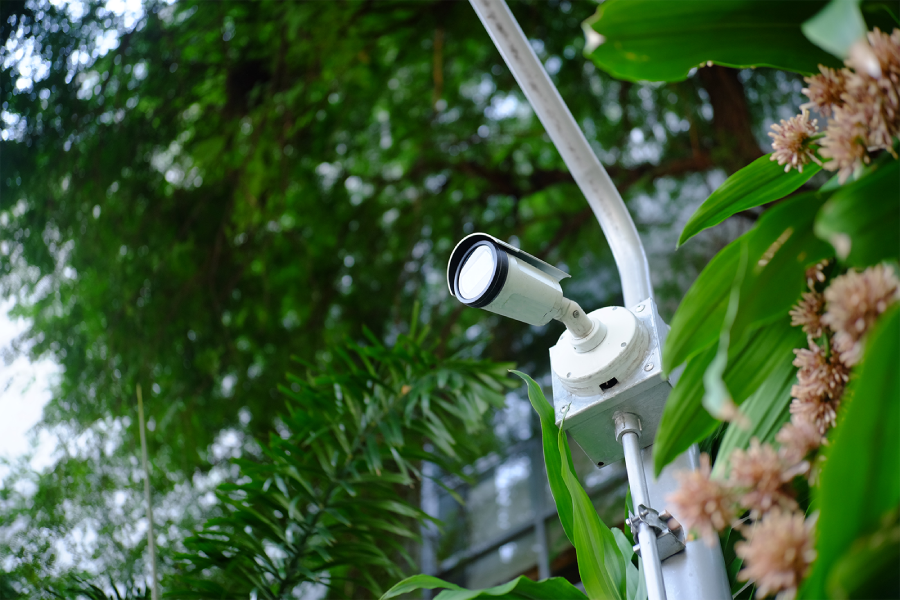
Warehouses come with unique security challenges that off-the-shelf camera kits from big box stores aren't designed to handle. Between massive square footage, high ceilings, limited natural light, constant movement of inventory and personnel, and dozens of blind spots created by racking systems, the average DIY setup leaves gaping holes in coverage that criminals are more than happy to exploit. ArcEye Defense is here to help business owners. Many companies think they have adequate surveillance, only to discover their footage is too grainy to identify anyone, or their storage capacity runs out days before an incident occurs. Professional camera systems built specifically for warehouse environments solve these problems from the ground up. Theft, liability claims, workplace safety violations, and inventory disputes all become easier to manage when you have reliable visual documentation of everything happening inside your facility. Whether you're running a distribution center, storing high-value goods, or managing a busy logistics operation with workers and vehicles moving constantly, the stakes are too high for a system that only works some of the time. We're going to walk through what makes warehouse security different, where most camera setups fall short, and what professional-grade solutions deliver.

Warehouses operate under conditions that most commercial buildings never encounter. A typical facility spans anywhere from 50,000 to over 500,000 square feet, with ceilings reaching 30 feet or higher. Forklifts, pallet jacks, and delivery trucks move through designated lanes while workers pick orders across multiple zones. This constant activity creates an environment where threats can hide in plain sight. Unauthorized individuals blend into the chaos during shift changes. Internal theft occurs in aisles far from main walkways. Slip and fall incidents happen in areas with no camera coverage, leaving management with no way to verify what occurred. The loading dock alone presents multiple vulnerabilities, like trailers backing in throughout the day, drivers entering and exiting the building, and pallets moving between interior storage and outbound trucks. Add 24/7 operations into the mix, and you're dealing with security demands that residential systems and budget commercial kits were never engineered for. A proper commercial security camera installation accounts for all of these variables before a single camera goes on the wall.
The cameras bundled in retail security packages are designed for homes and small storefronts. They work fine in a 2,000 square foot retail space with standard eight-foot ceilings and plenty of natural light. Drop those same cameras into a 100,000 square foot warehouse, and the limitations become obvious within days. First, the field of view is too narrow. Covering a single aisle requires three or four budget cameras, where one professional unit with a varifocal lens would suffice. Second, the image sensors can't handle the lighting extremes. Footage captured near open dock doors washes out from sunlight, while footage from interior aisles appears too dark to identify faces or license plates. Third, the storage systems can't keep pace. A basic eight-channel DVR fills up within a week when recording at high resolution across multiple cameras. Most warehouse incidents aren't discovered immediately. They surface during inventory audits or when a customer disputes a shipment weeks later. By then, the footage has already been overwritten. Virtual guard services in Southaven depend on clear, continuous video feeds to monitor facilities in real time.
Interior warehouse sections receive zero natural light. Rows of racking block overhead fixtures create pockets of shadow between aisles. Budget cameras compensate by boosting gain, which introduces visible noise and degrades image quality to the point where faces become unrecognizable blurs. Professional cameras built for commercial environments handle these conditions through larger image sensors and advanced infrared illumination. A quality sensor captures more light per pixel, producing cleaner images in dim conditions without artificial amplification. Infrared LEDs extend visibility into complete darkness without alerting intruders to the camera's presence. Some facilities install supplemental IR illuminators to flood larger areas with invisible light, ensuring consistent image quality across the entire floor. This matters for more than just identifying intruders. Forklift collisions, product damage, and worker injuries all require clear footage for accurate investigation. Insurance adjusters and attorneys base their assessments on what the video actually shows. Grainy, dark footage invites disputes about what really happened.
Certain zones within a warehouse carry elevated risk. Caged areas storing electronics, pharmaceuticals, or luxury goods attract internal and external theft. Loading docks see a constant flow of outside personnel who may not be properly vetted. Returns processing areas handle merchandise that's already outside normal inventory controls. A professional commercial security camera installation provides coverage for each of these zones. Cameras with optical zoom capabilities capture license plates at the dock entrance from a fixed position. Pan-tilt-zoom units allow remote operators to track suspicious activity. Motion-triggered recording conserves storage while making sure nothing slips past undetected. Virtual guard services integrate with these systems to provide live monitoring without stationing personnel on site around the clock. When a camera detects motion in a restricted area after hours, a remote operator receives an alert, reviews the feed, and initiates the appropriate response within seconds. That response might include two-way audio to challenge the intruder, immediate dispatch of local security or police, or documentation of the event for follow-up investigation.
Camera systems pay for themselves the first time they resolve an expensive dispute. Workers' compensation claims involving back injuries or falls can cost employers tens of thousands of dollars per incident. Clear video footage shows exactly how an incident occurred, whether proper procedures were followed, and who bears responsibility. Without footage, employers face the choice of accepting questionable claims or fighting them without evidence. Shipping disputes are similar. A customer claims a pallet arrived damaged, but the footage shows the product leaving your facility in perfect condition. That single clip protects your company from absorbing a loss that wasn't your fault. Footage also documents compliance with safety regulations. OSHA inspectors may request evidence that workers wear proper protective equipment and that the equipment operates within guidelines. A well-designed camera system captures this documentation automatically, every shift, without additional labor. Storing the footage requires enterprise-grade network video recorders with redundant drives and scalable capacity. Consumer equipment can't deliver the retention periods or reliability that warehouse operations demand.
Your warehouse should have a security system engineered for the environment it operates in. ArcEye Defense designs, installs, and supports camera systems that capture clear footage in every corner of your facility. We integrate our systems with remote monitoring solutions that provide reliable intervention when threats arise. Contact us today for a site assessment and find out how professional surveillance can transform your security.
Running a business means keeping a lot of things safe at once (your property, your employees, your inventory, and your customers).…
Read MoreOpening a new business location is exciting, but it’s also a lot of work. You have to set up operations, hire…
Read More
Cameras are the backbone of modern property security. But even the most advanced camera on the market can't protect your business…
Read MoreMost people have a basic idea of what virtual guarding means: Cameras are installed, someone watches them remotely, and if something…
Read More