Menu
Back

Call This Sunday to Get $25 OFF
Call This Sunday to Get $25 OFF
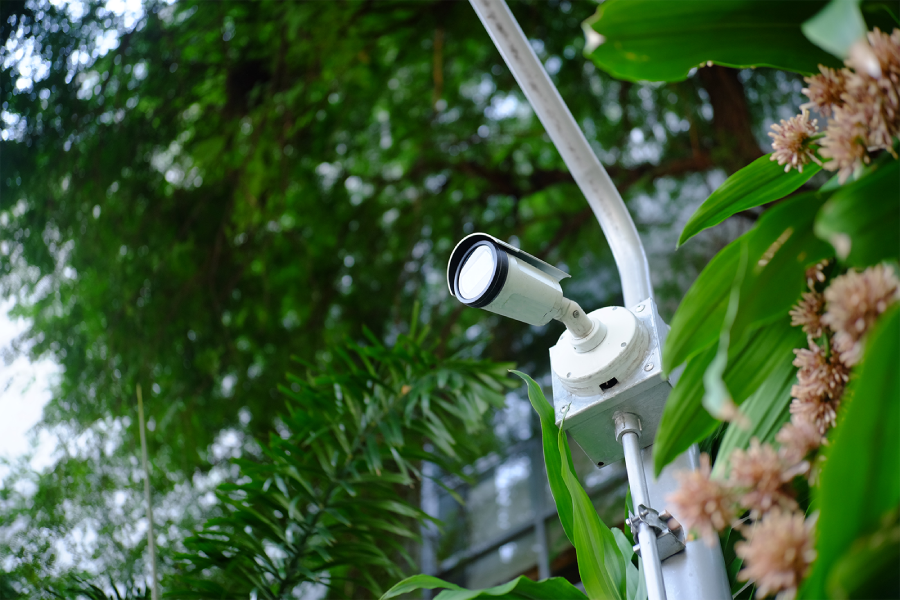
Most people have a basic idea of what virtual guarding means: Cameras are installed, someone watches them remotely, and if something looks wrong, then action is taken… but what does that actually look like in real life?

At ArcEye Defense, we go beyond basic monitoring. We combine expert commercial security camera installation services with advanced virtual guard services to create a system that doesn’t just watch your property, but also actively protects it.
In this brief article, we walk through, step by step, what really happens when a virtual guard detects a threat.
Every response starts with detection. Virtual guards are constantly surveying monitors to identify any unusual or suspicious activity. Modern systems use a mix of motion alerts, smart analytics, and human awareness to identify unusual activity.
Whether addressing someone entering a restricted area, a person(s) loitering, or even movement around the premises, an effective system uses smart technology to filter out false alarms like animals or weather.
To be clear, this is not an executive decision-making task. It simply flags activity. From there, a real person takes over.
Once an alert is triggered, a trained virtual guard reviews the live video feed within seconds. Instead of reacting to every motion alert, the guard determines whether the situation is actually suspicious. For example:
This human verification reduces false alarms and provides that every response is appropriate.
If the guard confirms a potential threat, the next step is often direct intervention. Using two-way audio connected to the camera system, the guard can speak to the person on site in real time.
A typical message might sound like “Attention. You in the gray hoodie by the entry gate. This property is under surveillance. You are not authorized to be here. Please leave immediately.”
This simple action is incredibly effective. Studies and real-world data show that most trespassers leave as soon as they realize they are being watched and addressed directly.
This is what makes virtual guard services proactive instead of reactive. The element of surprise and the knowledge that someone is actively monitoring often stops the situation right there.
Not every situation ends with a warning. Some perpetrators are stubborn, stupid, or both. If the individual ignores the verbal command or continues suspicious behavior, then the guard escalates the response.
Depending on the situation, this escalation may include:
Because the guard is already watching in real time, escalation happens within seconds (not minutes or hours). This fast response can prevent theft, vandalism, or damage before it escalates into a serious incident.
Even after escalation, the guard continues to monitor the situation: They track the individual’s movements, provide updates, and ensure that the situation is resolved safely.
If law enforcement is involved, the guard can relay important details such as the suspect’s location, clothing, behavior, movement, etc. This real-time support improves the effectiveness of any response.
The process doesn’t end once the situation is resolved. The virtual guard documents the entire incident. This typically includes:
This documentation support insurance claims, helps with internal reviews, and provides evidence if legal action is needed.
If your current system only records incidents after they happen, you’re missing an opportunity to prevent them.
Contact ArcEye Defense to learn more about our commercial security camera installation services and advanced monitoring solutions designed to stop threats before they escalate.
Not long ago, the mention of artificial intelligence brought up mental images of science fiction nightmares with robots running wild without…
Read MoreMost conversations about security cameras focus on footage: the evidence they capture after something goes wrong. And yes, that footage matters…
Read More
Picture this: a customer pulls into your parking lot, spots a broken car window in the next row, and drives straight…
Read MoreMost people interact with security cameras every day without giving much thought to what's actually happening behind the scenes. The camera…
Read More