Menu
Back

Call This Monday to Get $25 OFF
Call This Monday to Get $25 OFF
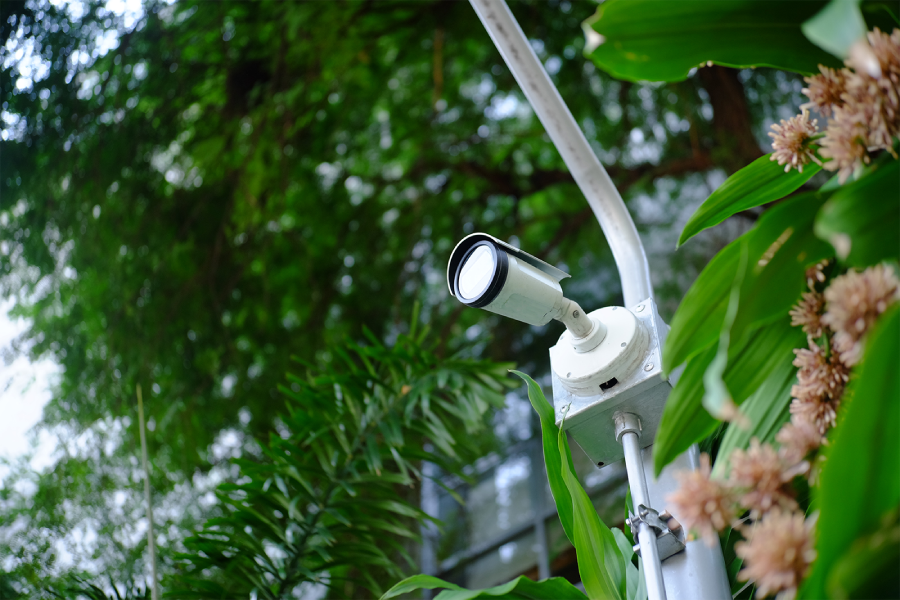
A security guard who misses an unauthorized entry because they're checking their phone or struggling to stay awake leaves your business exposed, even when you're paying for round-the-clock protection. Long shifts, staffing shortages, and inconsistent patrols create vulnerabilities that are difficult to predict or control. ArcEye Defense helps businesses improve their coverage through business security camera installation and remote security monitoring. For business owners responsible for warehouses, parking lots, equipment yards, or several commercial properties, reliable security depends on knowing what's happening across the property and having someone ready to respond.

The first few hours of an overnight security shift might involve checking doors, watching deliveries leave, and making sure everyone has gone home. By three in the morning, the guard has walked the same hallways several times. The parking lot is empty, the building is quiet, and nothing unusual has happened for hours. It's difficult to maintain the same level of attention throughout a shift like that. Someone walking toward a loading dock could go unnoticed while the guard is looking at another monitor or making coffee.
Warehouses and construction sites are difficult to watch because so much of the property sits unused overnight. A construction site might have several entrances, temporary fencing, equipment parked outside, and materials stacked where they block visibility. A guard stationed near the main entrance has little information about what's happening behind the building. Even walking the property every half hour leaves long stretches when nobody is watching certain areas.
A guard who has spent most of the night responding to false alarms may be less attentive when another alert comes through. Someone moving between company trucks could be an employee retrieving a forgotten item, or a stranger checking for unlocked doors. The guard needs to watch long enough to see what the person is actually doing. That's harder during a quiet overnight shift when most previous alerts have turned out to be harmless.
With remote security monitoring, detection software identifies activity that meets the system's alert settings and brings it to an operator's attention. The operator reviews the footage and determines if the situation requires action. This reduces the amount of uneventful video someone has to watch continuously. Cameras still need proper placement and configuration, and operators must respond quickly, but the system gives the monitoring team a more focused way to identify potential trouble.
An absent security guard creates an immediate scheduling problem. If someone calls out an hour before an overnight shift, the manager has to find a replacement while handling everything else that comes with closing the business. Another guard might agree to work overtime, or a supervisor might cover the shift. When neither option is available, the property could be left without its usual protection. This is frustrating for businesses paying a security company specifically to avoid staffing concerns.
A replacement guard might not know that delivery drivers use the rear gate after closing or that cleaners have permission to enter through a side door. At a warehouse with several tenants, some workers have keys to areas others aren't allowed to enter. The guard may also need help finding the alarm panel or getting into a locked storage room. A property manager could end up fielding calls throughout the shift to explain things the usual guard already knows.
Remote security monitoring moves much of the scheduling responsibility to a centralized monitoring operation. Connected cameras allow trained operators to oversee activity at different properties without traveling between them. For properties that don't require someone physically stationed at the entrance, this eliminates many of the problems associated with filling individual guard shifts.
A guard walking a large commercial property usually follows a familiar route. They might start at the main entrance, check the parking lot, walk behind the building, and return through the loading area. Completing the route takes time, especially when there are multiple buildings or fenced storage areas. If someone enters through a rear gate shortly after the guard passes, it could be another twenty minutes before anyone returns. People who spend time watching the property might learn when certain areas are unattended.
Effective business security camera installation in Chesterfield, MO begins with walking the property and identifying these trouble spots. A camera covering a wide parking lot serves a different purpose than one positioned near a vehicle gate. The first provides an overview of movement across the lot, while the second needs to capture details as vehicles and people enter. Camera height, viewing angle, lighting, and distance affect the quality of the footage. Mounting a camera too high might provide a broad view while making faces difficult to distinguish.
Testing the cameras under normal operating conditions is important. Headlights might wash out the image near a driveway at night, and a delivery truck parked in its usual spot could block an important entrance. Trees, signs, and exterior lighting fixtures also affect visibility. A professional business security camera installation accounts for these conditions when choosing equipment and mounting locations. The goal is to capture useful footage from the areas where unauthorized activity is most likely to occur.
At a warehouse running three shifts, employees might be entering the building throughout the night. Another business may close at six, with no one expected back until morning. A storage yard could have delivery trucks arriving as early as four. Remote monitoring teams need the schedules for each location so they know when someone has a legitimate reason to be there. A truck entering the yard before sunrise might be expected, but someone approaching a locked warehouse at the same hour deserves a closer look.
Monitoring settings can be adjusted for places where people shouldn't be after closing, such as a fenced equipment yard or a secured loading entrance. If movement triggers an alert, the operator checks the camera feed to see what's happening. Someone unloading a company truck may have an obvious reason to be there. A person moving from vehicle to vehicle and pulling on door handles needs a different response.
The operator's next action depends on what the cameras show and the property's instructions. A speaker near the entrance might allow the operator to tell an unauthorized visitor to leave. At a warehouse, the manager may need a call if someone is forcing a loading door. Police assistance can be requested when a break-in is underway. The operator continues watching the footage and provides the person's last known location.
An overnight guard can't see every corner of a large property, and an unexpected absence leaves a shift uncovered. ArcEye Defense offers business security camera installation and remote security monitoring for warehouses, commercial buildings, parking areas, and equipment yards. The company's surveillance technology and trained operators help businesses watch over vulnerable areas after employees have gone home. Contact our team today to discuss your property's security needs and schedule an assessment of its current coverage.

Shopping for commercial cameras can feel like reading a menu in another language. Domes, bullets, PTZs, 4K, edge AI, NVRs: the…
Read MoreA security guard who misses an unauthorized entry because they're checking their phone or struggling to stay awake leaves your business…
Read More
Virtual guarding can help businesses reduce commercial security costs by replacing some on-site guard hours with edge-computing cameras and remote security…
Read MoreThe moment an intruder crosses your digital perimeter installed by ArcEye Defense, edge-computing cameras detect them and screen out false alarms.…
Read More